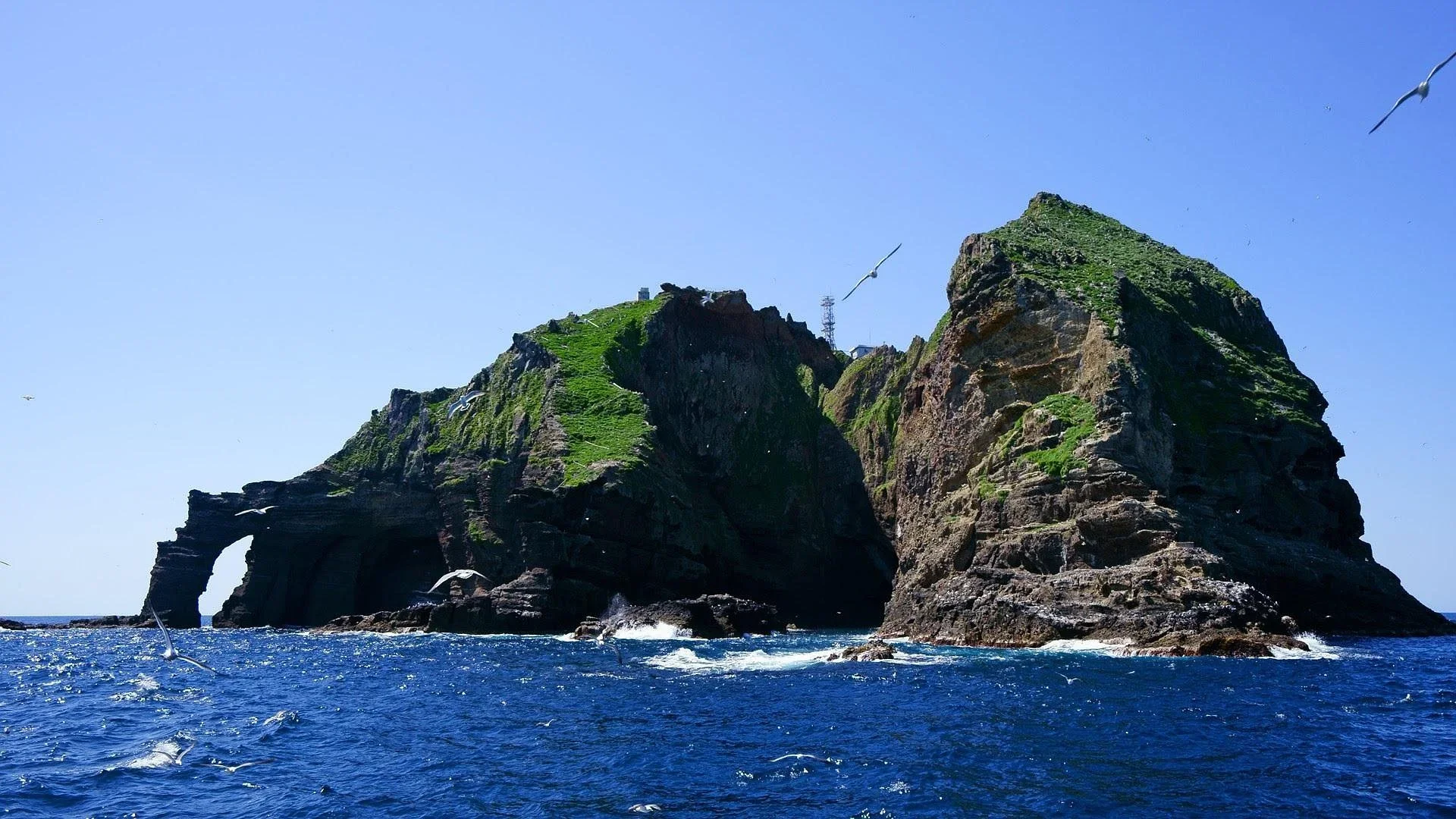
EAST SEA OF KOREA
독도
The island that opens Korea's morning. A solitary yet resilient guardian of the East Sea.
Scroll
EAST SEA OF KOREA
The island that opens Korea's morning. A solitary yet resilient guardian of the East Sea.
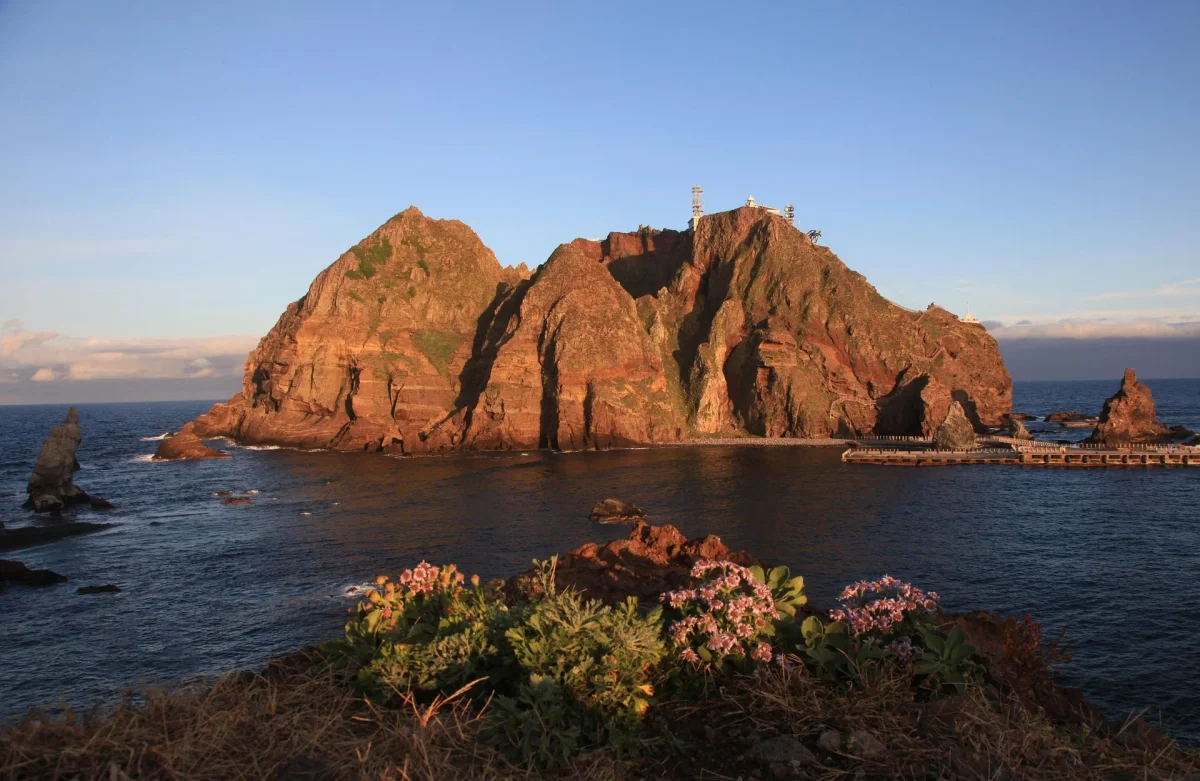
Dokdo is not just a rocky island. Formed by volcanic eruptions 4.6 million years ago, Dokdo is a treasure trove of marine ecosystems in the East Sea and a symbol of Korean sovereignty. Having endured the waves for thousands of years, this island resembles the resilience of our people.
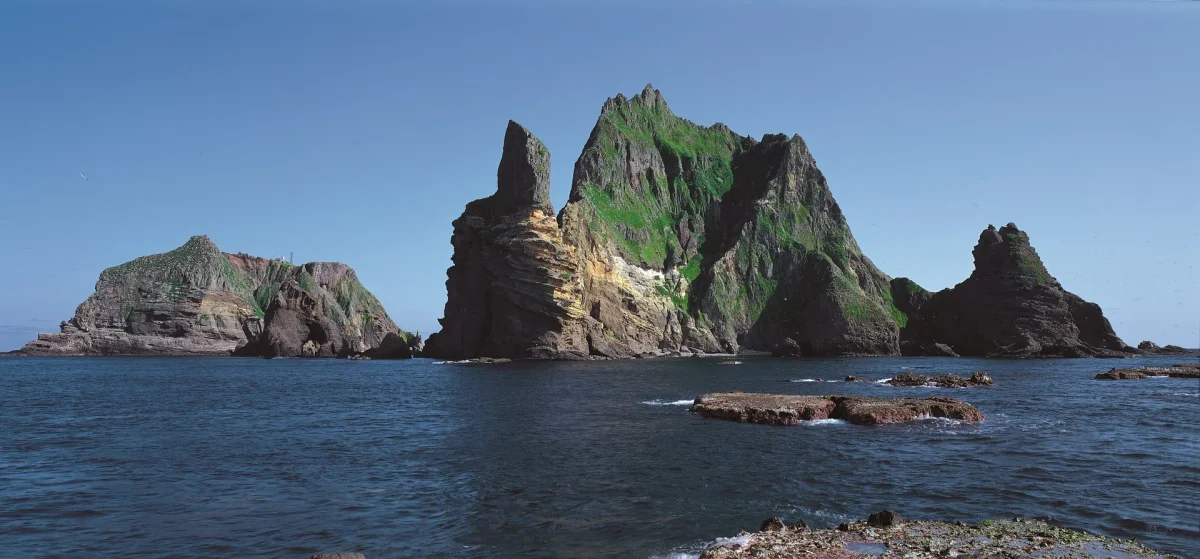
"Seokdo" (1900)
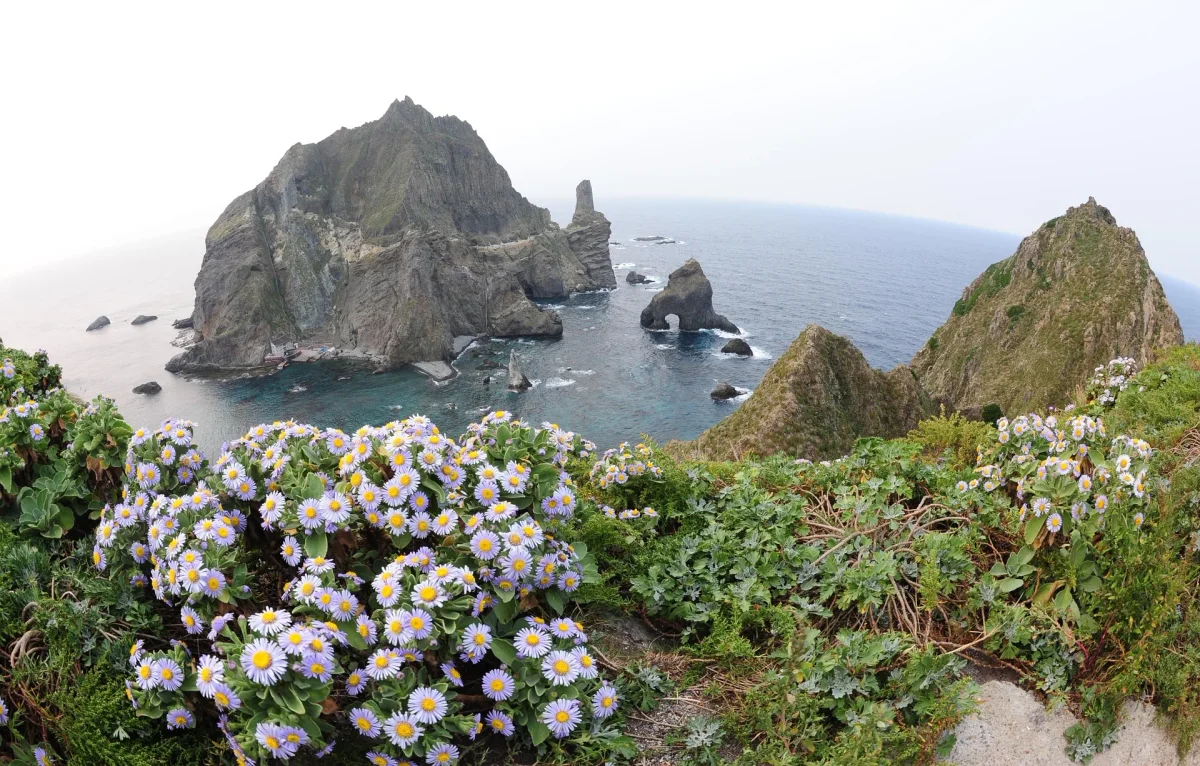
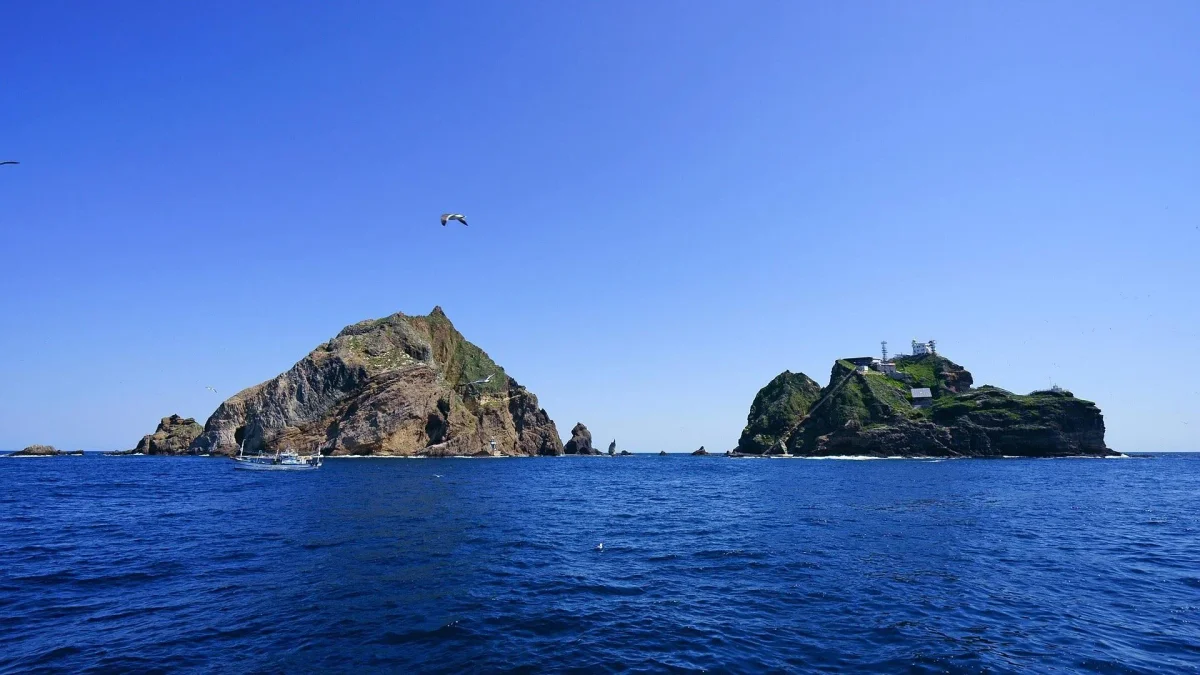

Experience the beauty and historical significance of Dokdo through the official promotional video produced by the Ministry of Foreign Affairs of Korea.
The Imperial Edict No. 41 of 1900 explicitly designated Dokdo (then called Seokdo) as part of Ulleung County's jurisdiction. This is clear evidence of sovereignty under modern international law.
Doc. 1900-10-25"Visible on clear days." As recorded in the Sejong Sillok Geography (1454), Dokdo is visible from Ulleungdo with the naked eye, but not from Japan's Oki Islands.
Dist. 87.4km vs 157.5kmWhy Dokdo is Korean Territory
Korea's territorial sovereignty over Dokdo rests upon over 1,500 years of historical records and international legal legitimacy. Contrary to Japanese claims, Dokdo is unmistakably Korean territory historically, geographically, and legally.
General Isabu of Silla annexed Usan-guk, a maritime state encompassing Ulleungdo and Dokdo. From this time, Dokdo was incorporated into Korean territory.
"Visible on clear days (風日淸明 則可望見)" - The scientific fact that Dokdo is visible from Ulleungdo was already recorded in the 15th century.
The Joseon government continuously managed Dokdo as national territory through official geography texts such as Sinjeung Dongguk Yeoji Seungnam (1531) and Dongguk Munheon Bigo (1770).
Following the 17th-century An Yong-bok incident, diplomatic negotiations between Korea and Japan resulted in the Japanese government officially confirming that Dokdo and Ulleungdo were not Japanese territory.
Japan's highest state authority, the Dajokan, issued an official directive stating "Takeshima (Ulleungdo) and one other island (Dokdo) have no relation to Japan (本邦關係無之)."
The Korean Empire officially incorporated Dokdo (Seokdo) under the jurisdiction of Uldo County, establishing clear sovereignty under modern international law.
During the Russo-Japanese War, Japan claimed to incorporate Dokdo through Shimane Prefecture Notice, but this is null and void under international law.
After World War II, the Supreme Commander for the Allied Powers explicitly excluded Dokdo from Japanese territory.
Article 2(a) states "Korea, including Jejudo, Geomundo, and Ulleungdo." The word "including" is exemplificatory, and Dokdo, as an affiliated island of Ulleungdo, is naturally included.
Nature Proves Korean Territory
From elevations above 86m on Ulleungdo, Dokdo is clearly visible to the naked eye on clear days. Ulleungdo's Seonginbong peak stands at 984m elevation, allowing residents to routinely perceive Dokdo visually. In contrast, from Japan's Oki Islands, Dokdo cannot be seen under any conditions due to Earth's curvature and distance.
Dokdo is closely subordinate to the Ulleungdo living sphere. In pre-modern society, recognition and control of islands greatly depended on geographic accessibility, and Dokdo's location provides natural inevitability that Korea historically recognized and governed Dokdo.
Verified by Objective Evidence
| Issue | Korea | Japan | Verdict |
|---|---|---|---|
| Geographic Recognition | Visible from Ulleungdo with naked eye. Sejong Sillok records "visible on clear days." | Not visible from Ulleungdo. Claims Usando in historical texts refers to Jukdo. | Scientific data perfectly validates Korean claims. Jukdo is 2-4km away and visible even on cloudy days, inconsistent with historical records. |
| Historical Title | Continuous governance since 512 AD Usan-guk annexation. Sovereignty confirmed through An Yong-bok incident. | Claims to have established sovereignty from 17th century. | Japan itself denied sovereignty in 1695 Tottori response and 1877 Dajokan Order. Japanese claims are self-contradictory. |
| 1905 Incorporation | Already under jurisdiction through 1900 Edict No. 41. Terra nullius requirements unmet. Procedural defects. | Lawful incorporation through terra nullius occupation. | Occupation of non-terra nullius is invalid. Japanese claim of both "inherent territory" and "occupation" is logically contradictory. |
| San Francisco Treaty | Returned territory under Cairo Declaration and SCAPIN 677. Included as affiliated island of Ulleungdo. | Remained Japanese because not specified in treaty. Cites Rusk Letter as basis. | Treaty silence does not signify recognition of Japanese sovereignty. SCAPIN separation measures are valid interpretive standards. |
Visible from Ulleungdo with naked eye. Sejong Sillok records "visible on clear days."
Not visible from Ulleungdo. Claims Usando in historical texts refers to Jukdo.
Scientific data perfectly validates Korean claims. Jukdo is 2-4km away and visible even on cloudy days, inconsistent with historical records.
Continuous governance since 512 AD Usan-guk annexation. Sovereignty confirmed through An Yong-bok incident.
Claims to have established sovereignty from 17th century.
Japan itself denied sovereignty in 1695 Tottori response and 1877 Dajokan Order. Japanese claims are self-contradictory.
Already under jurisdiction through 1900 Edict No. 41. Terra nullius requirements unmet. Procedural defects.
Lawful incorporation through terra nullius occupation.
Occupation of non-terra nullius is invalid. Japanese claim of both "inherent territory" and "occupation" is logically contradictory.
Returned territory under Cairo Declaration and SCAPIN 677. Included as affiliated island of Ulleungdo.
Remained Japanese because not specified in treaty. Cites Rusk Letter as basis.
Treaty silence does not signify recognition of Japanese sovereignty. SCAPIN separation measures are valid interpretive standards.
Korean Territory Proven by History and Guaranteed by International Law
Korea's territorial sovereignty over Dokdo was established through consistent historical title from the 512 AD Usan-guk annexation to the 1900 Imperial Edict No. 41, denial of sovereignty in Japan's own documents (Tottori response, Dajokan Order), and Allied separation of Dokdo after World War II. Japan's 1905 incorporation was imperialist aggression, fundamentally invalid under international law, and Dokdo is unmistakably Korean territory historically, geographically, and legally.
Let the world hear your voice
Whose territory is Dokdo? Let the world know with your vote.
Supports Korea
Supports Japan
Experience Korea's Beautiful Territory Firsthand
Dokdo is a protected area designated as Natural Monument No. 336. Landing is permitted only on Dongdo Island, accessible by ferry from Ulleungdo.
Season
Mar ~ Nov
Distance
87.4km
Duration
~1.5-2 hours
Subject to change based on weather conditions
Book transportation to Ulleungdo
Reserve Dokdo ferry (automatic landing registration)
Check weather conditions
Land at Dongdo pier
4 ferries in operation
Queen Star 2
Ulleung Cruise
Sea Star 1
Jeongdo Industry Co., Ltd.
Sea Star 5
Seaspovill Co., Ltd.
Sea Star 11
Seaspovill Co., Ltd.
| Ship Name | Operator | Capacity | Contact |
|---|---|---|---|
| | Ulleung Cruise | 444 passengers (364t) | |
| | Jeongdo Industry Co., Ltd. | 442 passengers (388t) | |
| | Seaspovill Co., Ltd. | 438 passengers (388t) | |
| | Seaspovill Co., Ltd. | 449 passengers (420t) |
Landing is limited to 470 people per visit
Viewing area is restricted to Dongdo pier
Landing may not be possible due to weather
Drone photography requires prior permission
April-June: Drone use restricted during seabird nesting season
Contact
Ulleung-gun Dokdo Management Office